
What Do Crematoriums/Funeral Homes do with Prosthetics?
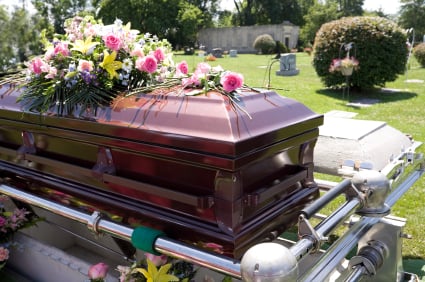 During funeral planning, one of the things most families already know is that they’ll need to have devices like pacemakers removed before a loved one can be cremated. Any medical device with an electronic component (pacemakers, internal cardiac defibrillators, etc.) has the potential to explode when in contact with the high heat associated with cremation.
However, prosthetics include much more than pacemakers. Prosthetic limbs, breast implants, fake hips, and even tooth fillings all fall under this umbrella category. While some of these items are easily disposed of, some—like expensive fake limbs—could be donated for future use.
Burying Prosthetics
When it comes to burial, you can put just about anything in the ground as long as it won’t contaminate the ground. Many people put additional items in caskets for this very reason. Medals of Honor, heirlooms, favorite books…all these things can be laid to rest with the deceased, and most prosthetics also follow these guidelines.
In many cases, the funeral director will remove dangerous devices like a pacemaker or hazardous ones like mercury fillings, but it’s rare that a family asks for the item back.
Cremating Prosthetics

External prosthetics (those that can be easily removed) are almost always taken off prior to cremation. The family has the option of keeping the prosthetic, disposing of it, or donating it. Internal prosthetics (including fake hips, pins used to hold bones in place, or non-mercury tooth fillings) are usually kept intact while cremation occurs. They are then removed from the bone and ash fragments and disposed of separately.
Depending on the crematorium’s practice and the wishes of the family, the prosthetics may disposed of one of many ways:
- The family can have these items returned to them for sentimental reasons.
- The metal from hip replacements and other bone procedures can be recycled or collected to be melted down and used in the automotive, aeronautics, or medical industry.
- The funeral home can dispose of them according to their hazardous waste protocols.
There are also increasing options for donating these items to be reused by those in need. Although the European Union and the United States have rules that prohibit reusing medical devices, there are countries (particularly in the developing world) with such a strong need that these restrictions don’t apply.
The UK charity Pace4Life collects pacemakers from funeral homes to be repurposed for use in India. A program known as Project My Heart Your Heart is working to create something similar in the United States.
Prosthetic limbs are somewhat easier to donate, although they are also shipped internationally instead of used in the United States. Some of the organizations who can provide you with more information include the Amputee Coalition, Limbs for Life, and Standing with Hope.
Please share your thoughts on this article
Related articles

Selling a Burial Plot Online
If you pre-purchase a burial plot at a cemetery, you aren’t necessarily tied to that space for the rest of your life (and afterlife). Most cemetery plot contracts allow for you to sell the plot either back to the cemetery or to a third-party bu... more »

Cremation Urn Alternatives
Funeral planning traditions exist for a reason—to provide a time-honored and familiar ritual for those who are lost in their bereavement. People derive quite a bit of comfort from familiarity, and even though funerals tend to be somber affairs, the... more »
Pet Cremation Facts
When a beloved pet dies, you have several options as far as taking care of the body. For low-cost methods, you can ask your local animal control office to collect the body and dispose of it according to their standard procedure. (This usually means m... more »