
Is It Still Okay to Bring Someone a Sympathy Meal?
Is It Still Okay to Bring Someone a Sympathy Meal?
Almost everyone associates plentiful, home-cooked casseroles with the death of a loved one. Whether on television, in the movies, or in real life, the practice of bringing food to help support the grieving family is one we are all familiar with.
However, in our modern world, this isn’t always easy to do. When you connect with people on social media more than in person, and when you are unsure about things like health restrictions and dietary needs, what’s the right thing to do? Is it still okay to bring someone a sympathy meal?
Of course the answer is yes, but with some considerations. Read on for sympathy meal etiquette for the modern age.
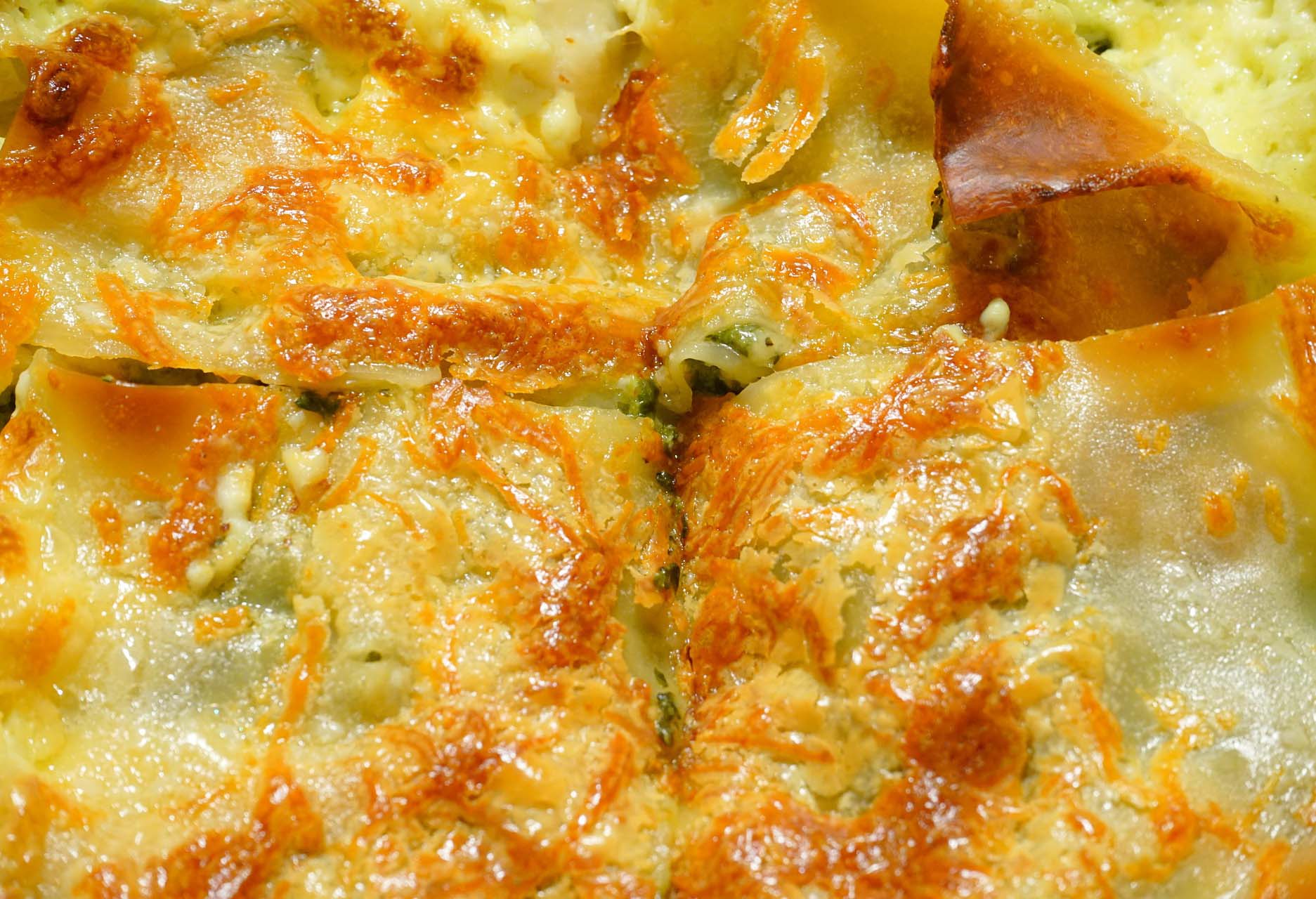
- Communicate Your Intentions: Showing up on someone’s doorstep with your arms full of food might sound like a good idea, but it can be awkward or difficult for the recipients. Because they are already dealing with so much right now, they might not be in the right frame of mind to accept your generous gift. Instead of surprising them, call ahead and talk with the family member who is likely to be in charge of meals. Let them know that you would like to contribute and ask when would be a convenient time for you to stop by. Offer them a few choices (“I thought you might like either my famous lasagna or a nice homemade granola”) and ask about any dietary restrictions.
- Consider Quantity: A family of four is unlikely to need three casseroles and an entire chocolate cake. However, a family of four who is hosting several out-of-town guests for the funeral might be incredibly grateful for this. Take quantity into consideration, and err on the side of too much food rather than too little. You can also portion the food so that it can be frozen and cooked later at the family’s convenience.
- Buy Disposable: A turkey cooked in a cheap aluminum pan from the grocery store won’t taste or look as good as one cooked in your heirloom roasting pan, but opt for the recyclable one anyway. The task of cleaning, tracking and returning all those dishes might be overwhelming for the family, especially if they get the dishes confused. Tape instructions on the top and do not plan on seeing that pan again—it is a small gesture but a thoughtful one.
- Stay for a Visit (or Don’t): One of the main reasons sympathy meals are still popular is that it provides an opportunity for human connection at a time when it is sorely needed. Oftentimes, it’s not about the food at all—it is about showing that you care and taking the time out of your day to stop by and check on the family’s needs. Plan to stay in case the family wants to talk—or plan to leave if they are occupied with other things. It is important to read the room and act accordingly.
If the family’s dietary restrictions make meal planning particularly difficult, or if you are unsure what kind of sympathy meal will be appropriate, you can also consider a food subscription box or gift card for a restaurant. These options offer flexibility and convey the same message without straying too far from tradition.
Please share your thoughts on this article
Related articles

Guide to Facebook Obituaries
In our age of social media, it is no longer sufficient to simply publish an obituary in the newspaper. Because so much of our time is spent online, we have friends, acquaintances, and even colleagues whose primary point of contact with us is through ... more »

Are There Differences between Male and Female Funeral Directors?
The funeral planning industry has long been considered a male-dominated profession. From the funeral directors who greet you at the door to the behind-the-scenes morticians who prepare your loved one for a final viewing, men have made up the majority... more »

How to Plan a Post Funeral Gathering
Whether your funeral planning efforts resulted in a traditional ceremony and burial, or if you opted for a private cremation scattering, it’s a common practice to invite everyone in attendance to a post-funeral gathering. Also commonly known as the... more »