
 One of the memorial service options that appears in almost all funeral plans, regardless of religious or personal preference, is the moment of silence. Defined as a period of silent contemplation (ranging from one to ten minutes), this time is used for everything from personal reflection and prayer to meditation. In funeral planning, it can be part of the decision-making process, memorial service, burial, ash scattering, or any other ceremony that comes with emotional weightiness.
Archive for March, 2012
Funeral Planning: Moments of Silence
Friday, March 30th, 2012Why You Should Pre-Plan Your Funeral if You Want to Be Cremated
Wednesday, March 28th, 2012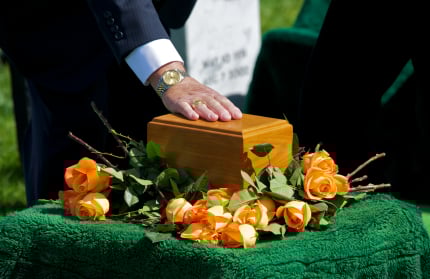 Funeral planning is one of the most personal and difficult things that anyone undertakes. It doesn’t matter whether it’s the funeral of a parent, a child, a brother, or a spouse—making the decisions that will lay your loved one to rest for all of eternity is something no one can be prepared to face.
Funeral traditions, those often somber practices that include ornate caskets, reverent music, and religious eulogies, exist to help those decisions become easier to make. There is a small measure of comfort to be derived from knowing that your loved one is following the same path that millions of people have traversed before.
Online Funeral Planning Resources
Monday, March 26th, 2012Our iMortuary Blog is typically aimed at consumers seeking funeral home planning information. However, today’s post from Minda Brusse, Principal of iMortuary.com, addresses funeral home owners and managers across the United States.
 Funeral homes are facing the challenge of rapid change in the way businesses and individuals connect. Millions of consumers turn to the Internet to research funeral planning, creating an opportunity for businesses to connect with consumers who have not made firm plans and choices. Many funeral homes and cemeteries have websites and use email to interact with their customers. However, across the board, visibility and appropriate online branding continues to be a general weakness. Several marketing-oriented companies are stepping in to fill the gap.
Funeral Flowers on a Budget
Wednesday, March 21st, 2012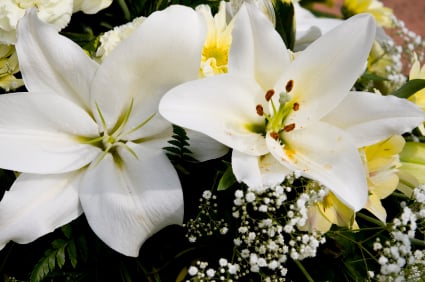 Sympathy flowers are a common part of funeral plans. From elaborate sprays that are used to decorate the memorial service to smaller bouquets that are placed on the casket as it is lowered into the ground, flowers have long held a place in funerals and in our hearts.
However, in today’s economy, spending several hundred (or even thousands of) dollars on funeral flowers might not be a possibility. That doesn’t mean you have to skimp on this important part of the funeral process—it just means you may have to spend a little more time searching for the perfect sympathy flower provider or come up with some budget-friendly alternatives.
How to Plan an Ash Scattering Ceremony
Monday, March 19th, 2012 One of the primary reasons people choose cremation for their funeral plans is because there is much more flexibility in where, how, and when you dispose of the final remains.
Because cremains can remain in an urn or in a box for years before you make any decisions about how you want them to be scattered or buried, you have the luxury of time. This means you can plan a grand ceremony in keeping with your memories of the deceased or even wait until the entire family can gather to provide a proper send off.
Understanding Bereavement Leave
Saturday, March 17th, 2012 When a loved one passes, most people take anywhere from a few days to a few months of bereavement leave. This time is spent funeral planning, handling financial affairs, and grieving—all of which are part of a personal process that everyone approaches a different way.
Companies approach bereavement leave in different ways, as well. Some employers have policies for long-term bereavement complete with paid time off, while others might not be as generous with their time or their money. However, even if your workplace isn’t willing to work with you to find a good balance, there are some general guidelines in place to provide you with enough time to get through the initial funeral plans.
What is a Home Funeral?
Thursday, March 15th, 2012 When it comes to funeral planning, the modern consumer has more options than ever before. From cremation and green burial to traditional interment, there is a ceremony for every type of person—and every budget.
Those hoping to reduce funeral costs even more—and to put the focus back on family—have one more option: the home funeral. Once the only way to say goodbye to those we love, a home funeral is exactly what the name suggests. Instead of having a memorial service at a funeral home and burying the deceased in a cemetery, the entire process takes place at home.
Is It Wrong for a Funeral Home to Market its Services?
Wednesday, March 14th, 2012 Most people have strong opinions when it comes to funeral planning and choosing the right funeral home. No one wants to feel like just another number, or to have their loved ones treated callously or in any way that isn’t tender and respectful—and that is a completely justified expectation. Even though funeral homes are a business, they are also an important part of the grieving process and of the community as a whole.
Funerals and the Baby Boomer Generation
Saturday, March 10th, 2012 It comes as no surprise for most people to discover that funeral planning traditions stem from the lives and viewpoints of older generations. The reason so many of the services offered through a funeral home are geared toward those with conservative views is that the largest percentage of their clientele is part of an aging population.
As Baby Boomers move to the forefront in terms of funeral pre-plans, and start organizing memorial services for their parents, themselves, and loved ones, there will be a shift away from many of the tried-and-true methods of the past.
What is Natural Burial?
Thursday, March 8th, 2012 In an age when green funerals and funeral planning on a budget are on everyone’s lips, people are beginning to question the need for so many different containers and preparations for the disposal of a body. We researched into why natural burial, a solution in which very few preparations are made and the body is laid to rest directly within the soil of the earth, is one of the most common answers.
How Burial Works
Traditionally, the body of a loved one is embalmed before being placed in a casket, which is then lowered into a grave that contains a grave liner or vault. These various “layers” between the body of the deceased and the ground cannot stop the natural process of decomposition, but they do slow it down and also provide some comfort to families who wish to preserve their memories of the deceased.