Amarillo funeral homes are part of a long tradition of honoring those who have been a part of the local community. Although it is a fairly large area, this Texas locale puts a lot of effort into respecting all the people who have helped build the city, from the early pioneers and builders to local heroes and politicians.
Everyday families have a place here, too, and the funeral services in Amarillo are among the best you’ll find in the state. With a focus on honoring lives in the grand Texas tradition, every ceremony and burial wish is made a priority.
Historic Llano Cemetery
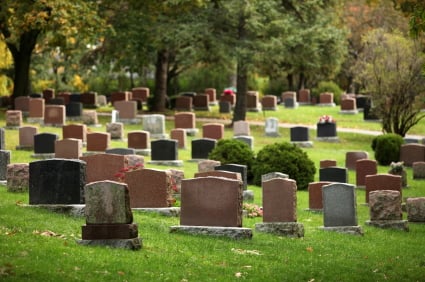
Llano Cemetery is the most famous cemetery in Amarillo, famed for its 140-acres of space and over 100 years of service. It was the first cemetery in the state to have been approved by the Texas Historical Commission as an official historical site. The oldest burial is an 1888 grave for a young child who passed away on her way through, and the land on which she can be found was bought and incorporated into a larger city cemetery in the ensuing years.
Because death can happen at any time, there is no “right” age at which to start funeral planning. Some people like to take care of their estate planning soon after they have children, and funeral planning is a big portion of that. Others wait until their retirement years or after a long-term diagnosis has been made. Still others don’t make any funeral plans at all, and it is up to their families to coordinate all the details.
While all of these are acceptable outcomes, most funeral homes recommend that you start funeral before you reach retirement age—ideally when you are doing the rest of your long-term financial planning. It is much easier to set aside funds for burial while you are organizing your finances for retirement rather than waiting until you might have to stretch your dollars or face mounting funeral costs.
These days, there are almost as many funeral planning options as there are people. You can choose direct cremation or direct burial and skip a formal memorial service. You can have your ashes shot up into space or buried as part of a coral reef project. You can even donate your body to science and end up helping a medical student learn how to save lives.
The Funeral Tradition
Funeral plans and formal burial arrangements have been a part of the human culture for almost as long as there have been humans. There is something so deeply moving about death that all of us share a need to go through the ceremony and tradition associated with the loss of a loved one. Whether it’s a cultural need to have family and friends around you or a religious need to prepare the body in a specific way, we all have age-old associations with the funeral planning process.
If you’re like most people, funeral planning is not something you’ve ever had to do before. Unless the deceased took the steps necessary to pre-plan the entire funeral, chances are you will need to make decisions and coordinate services over a span of one or two days—and all while reeling from the emotional impact that death has on us all.
Most funeral homes and funeral directors are in business to provide the support you need to get all the funeral plans made. From choosing a casket to placing an obituary in the newspaper, these professionals will guide you through the process so that you are never at a loss for what to do next.
However, there are other options, as well. One growing trend in the funeral industry is to have a funeral planner or funeral consultant on hand to oversee the entire process. Much like a wedding planner, this individual can help you with considering your options, making decisions, and coordinating guests while you attend to more personal matters.
One aspect of funeral planning that occurs at the cemetery is deciding which headstone to place on the grave. The headstone, or tombstone as it is traditionally known, has taken many different forms throughout history. From simple markers to more elaborate statues, people have used the headstone as a way to memorialize the loss of a loved one and to ensure that the grave can be found for future generations.
Although today’s headstone options tend to be more subtle than what was used in years past, you can use this opportunity to personalize the grave and make a final contribution to the memory of the deceased.
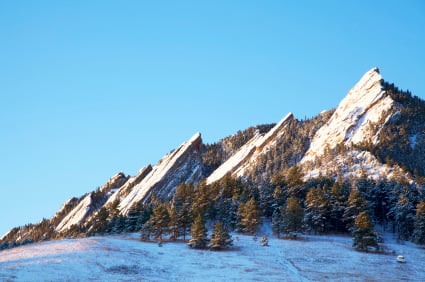
Although most people come to Boulder, Colorado to enjoy the unique mixture of urban life and a focus on the great outdoors, this city is also a great destination to enjoy history. In addition to hotels, museums, and outdoor sites, Boulder funeral homes and Boulder cemeteries offer the chance to witness the remains of the American West and give ideals for Boulder funeral planning.
Of these, the most famous site, Columbia Cemetery, regularly tops the lists of things to see and do in Boulder. Even if you think visiting cemeteries for fun is a little out of the ordinary, this one is well worth a trip. As part of the Boulder historical backdrop, you can get a taste of the past while also enjoying the great outdoor spaces that make this city so famous.
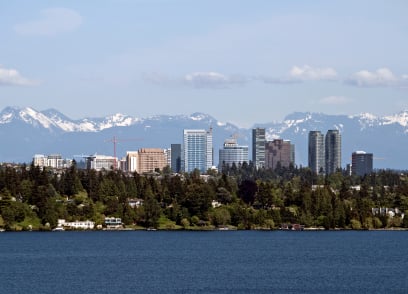
Bellevue funeral homes are a lot like the city itself and are ideal for funeral planning in Bellevue. Located across Lake Washington from Seattle and existing primarily as a satellite city to that metropolitan hub, Bellevue has all the benefits of a large and booming city, but with a smaller feel and a slower pace that many people prefer in the place they call home. For those seeking a much more permanent kind of residence, the appeal is the same. The large concentration of parks and the community focus on affluence, beauty, and upkeep mean that Bellevue cemeteries are among the most beautiful final resting places in the country.
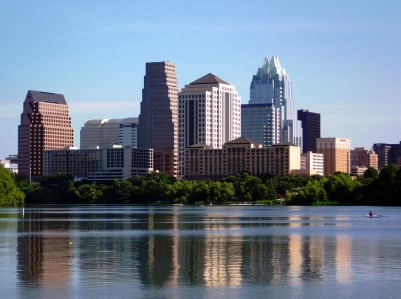
Like many parts of the city, Austin cemeteries here are rich with history and tradition. If you’re taking a tour of historic Austin, or if you want to learn more about Austin funeral planning and the burial practices here, you should consider taking a tour of the local cemeteries. In fact, one of the most famous cemeteries in the state of Texas is an active part of the Austin funeral home industry, and you may even find the place you wish your own family to be buried.
One way in which families are saving on costs during the funeral planning process is to consider direct cremation. This process, which entails cremating the deceased without a funeral service, embalming, or body viewing, is the most streamlined option currently offered by the funeral industry. Although there is a lack of ceremony about it that puts many people off, direct cremation is ideal in situations in which no funeral pre-plans were made or the deceased wished for little fanfare.
If you’re planning a funeral either for your own future or for the recent passing of a loved one, one of the options you’ll come across is direct burial. Like traditional burial arrangements, this plan involves purchasing a cemetery plot and interring the body into the ground. However, because you forgo embalming and a formal funeral service, you can typically save quite a bit of money on funeral costs with this option.
What is Direct Burial?
In direct burial, the body is buried very soon after death occurs. The deceased is typically buried in a simple casket or container rather than something ornate, and no embalming occurs to preserve the body. Additionally, there is no formal funeral service or memorial burial arrangements made, and the casket is not opened for viewing.
This doesn’t mean that you aren’t allowed to have a memorial service for the deceased. On the contrary, the sky is the limit when it comes to your funeral service options. You can have a formal gathering at your home, rent a space for a memorial service, or even set up a graveside service at the time the body is buried. In direct burial, you simply sidestep the formal funeral home arrangements in favor of something less traditional.
How Much Does Direct Burial Cost?
Burial costs vary depending on your location, the funeral home you choose, and the options that make this burial unique. Direct burial, which typically includes the funeral home fee, transportation of the body, and a basic burial container, can run anywhere from $1,000 to $4,000.
Additional funeral costs will arise for the purchase of a cemetery plot and/or graveside service held there, if you choose. These costs are considered separate from the funeral home fees.
Although one of the reasons to choose direct burial is to save money by avoiding embalming costs, local laws may require you to embalm. In some states, a body must either be buried within 24 hours or refrigerated (for up to 72 hours total) or be embalmed, regardless of your wishes. These laws are put in place for public health and safety reasons, and can not be disputed with the funeral home.
Saving on Funeral Costs
One of the primary reasons people choose direct burial is that it saves thousands of dollars on funeral costs. In many cases, financial strains require that you limit the amount of money you spend on a funeral. In other cases, it may simply have been the wishes of the deceased to be buried in a simple, informal manner.
If you are concerned about the financial aspect of death and burial, we encourage you to talk with a funeral planning organization to explore all the possibilities. From funeral pre-plans that cover all your needs to funeral insurance payable upon death, there are many different options that allow you to save money on your future burial arrangement needs.

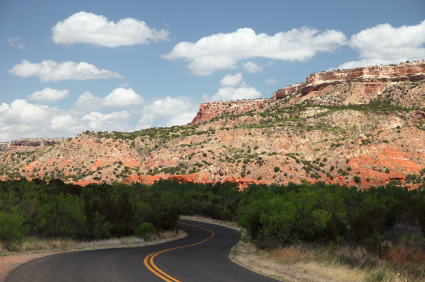 Amarillo funeral homes are part of a long tradition of honoring those who have been a part of the local community. Although it is a fairly large area, this Texas locale puts a lot of effort into respecting all the people who have helped build the city, from the early pioneers and builders to local heroes and politicians.